

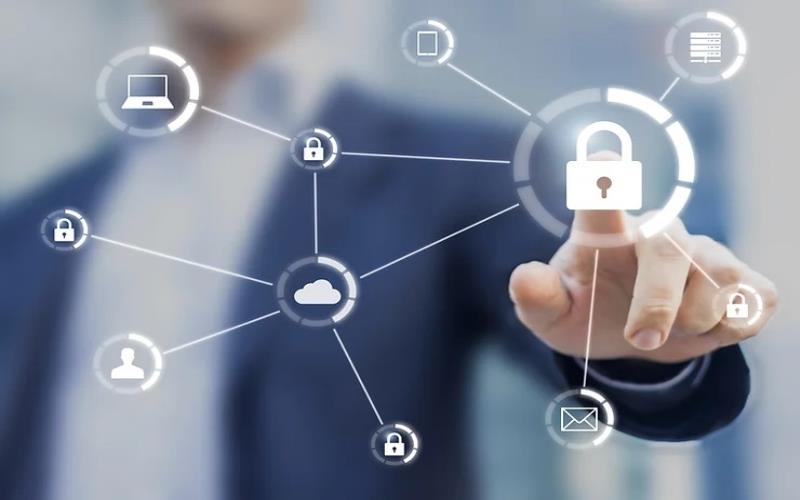
In the present era, information has turned into an asset for many businesses, but it comes with numerous risks if not properly managed. Businesses handle a significant amount of sensitive data today, including intellectual property and customer information. With this, the risk of data breaches, leaks, and data exposure, whether from external cybercriminals or human error, is on the rise. This makes it all the more important to integrate DLP software (Data Loss Prevention software) into the cybersecurity measures of the business because it has become essential for organizations big and small.
What is DLP Software?
DLP software is a security measure designed to mitigate data loss for businesses. It must be configured to prevent loss, misuse, or unauthorized access to confidential data. These clearly defined tools identify confidential data, monitor its movement across networks and endpoints, and enforce policies regarding sharing, copying, or exfiltration.
Most Data Loss Prevention (DLP) systems focus on classifying data based on its sensitivity and determining how it can be accessed or transmitted. This function helps monitor file transfers, emails, USB activity, and employee activity, ensuring that data remains within safe limits.
Reasons Why DLP is Highly Needed Today
The modern workplace is more flexible and is detached from a specific location. The rise of remote work, cloud storage, Bring Your Own Device (BYOD) policies, and third-party applications poses a significant risk to sensitive information. Traditional perimeter security systems are no longer enough to protect sensitive information.
This is where DLP software becomes useful. DLP tools prioritize data, focusing on its usage, sharing, and movement, rather than its location. These tools leverage automation alongside real-time alerts and policy enforcement to enable businesses to manage risky behavior, mitigate insider threat, and comply with data protection legislation, including the General Data Protection Regulation (GDPR) and Health Insurance Portability and Accountability Act (HIPAA).
Best Data Loss Prevention Reviews – What Criteria to Focus On
In pursuing the most effective DLP solutions, it is necessary to analyze not only the features of the tools, but also the user reviews, ease of implementation, quality of support, and the holistic value offered. The best data loss prevention reviews tend to include comments on the effectiveness of the tools as well as on their usability, customization options, and scalability.
Some criteria in reviews that are highly rated when it comes to DLP software include:
User Friendliness: A clean layout, coupled with intuitive controls, greatly enhances the effectiveness of user adoption of a DLP system.
High-Level Policy Customization: Businesses should be able to tailor data policies to suit their organizational workflows and compliance requirements.
Alerts and Monitoring Functionality: Best tools offer instant detection and rapid response capabilities to data threats. Quicker, the better.
Complete Coverage: Data across endpoints, cloud services, direct email, and removable media such as USB sticks should also be monitored by the top-rated DLP solutions.
User Actions Behavior Analysis: Certain DLP tools include functions that track employee behavior to flag potential infraction points before data leaks can occur.
Reporting Compliance: Having robust reporting features as part of the solution enables organizations to claim compliant status and conduct internal audits with inherent ease.
While perusing reviews, it’s beneficial to look for case studies or scenarios that can help illustrate how DLP software operates in different sectors and use cases.
Notable Mention: Kickidler DLP Tool
Out of many tools in the market, the Kickidler DLP tool stands out for its emphasis on employee monitoring and prevention of insider threats. It merges DLP with productivity monitoring, allowing organizations visibility not just on data movement, but how users engage with the systems. It is equipped with features such as screen recording, user activity monitoring, violation tracking and notifications, which especially places these tools among those wishing to protect proprietary information while enhancing employee productivity.
In terms of MITRE ATT&CK Enterprise claims, it may not be the most complete DLP system regarding tier-one integration, but it is well known among low to mid-tier corporations wanting a simple use case implementation in a real-time tracking instrument.
Selecting The Best DLP For Your Business
The choice of DLP software is primarily guided by the organization’s size, sector, compliance conditions, and its own policies. To help make a choice, use these steps:
- Retrieve Your Data: Identify what data asset you are protecting, categorize it according to level of confidentiality and its importance to the business.
- Set Your Targets: Which one is a bigger concern for you external danger, insider threat, compliance, or everything equally? Understanding your targets will provide structure to narrow down the possibilities.
- Examine the Deployment Options: If your infrastructure already has a DLP solution in the cloud, on-premises, or hybrid, consider how well it fits.
- Evaluate Integration with Current Systems: Most vendors provide demos or trial periods. It is best to utilize these to find out how seamlessly the tool integrates with your systems and the level of service provided by the support team.
- Peruse Reviews and References: Check review sites, security forums, and customer testimonials to witness the effectiveness of each solution in practical situations.
Concluding Remarks
Cyber threats increase every day. As such, protecting sensitive information whether stored on a server or shared online requires the use of advanced technology. This need is precisely why data security is becoming the missing piece of the puzzle in organizational frameworks. DLP software employs a comprehensive approach, ensuring the protection of sensitive data while it is in transit on the internet.
Do not be in a hurry before making a decision. Take time to analyze the company’s specific requirements while reading the enterprise data loss prevention reviews and understanding the experiences of other users. From mature enterprise offerings to software such as the Kickidler DLP Tool, the right DLP solution shields your enterprise’s most valuable asset—its data.