
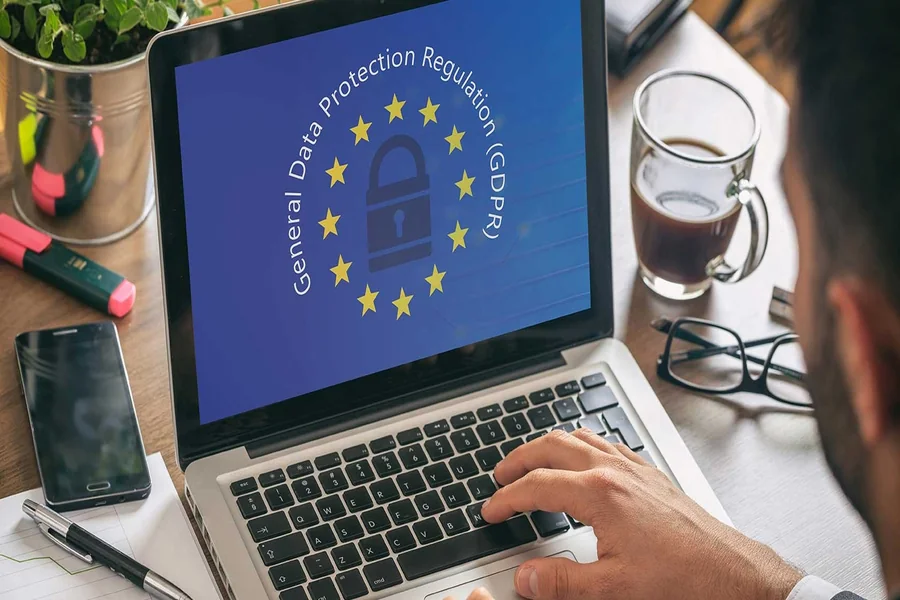
In an increasingly globalized digital economy, data privacy has become a paramount concern for individuals, enterprises, and governments. The General Data Protection Regulation (GDPR), enforced by the European Union, mandates strict compliance protocols for organizations handling the personal data of EU citizens. One often-overlooked yet critical component in achieving and maintaining GDPR compliance is legal translation.
Legal translation plays an essential role in ensuring that privacy policies, data processing agreements, consent forms, and other compliance-related documentation are accurately translated across jurisdictions. Misinterpretation or mistranslation of legal terms can not only compromise compliance efforts but also expose organizations to legal risks, financial penalties, and reputational damage.
Understanding GDPR and the Need for Multilingual Legal Documentation
The GDPR came into effect on May 25, 2018, and applies to all organizations—regardless of their geographic location—that process personal data of individuals residing in the EU. The regulation outlines specific rights for data subjects and obligations for data controllers and processors.
Given the multicultural and multilingual nature of the EU, one of the foundational principles of GDPR is transparency, which is often operationalized through clear, concise, and accessible information in the data subject’s language. Therefore, it is not enough to have privacy documents available; they must be accurately translated and legally sound in each applicable language.
The Role of Legal Translation in GDPR Compliance
Legal translation refers to the specialized process of translating legal documents and content from one language to another while preserving legal equivalence, tone, and intent. In the context of GDPR and data privacy, the role of legal translation is both technical and regulatory.
1. Ensuring Clarity in Consent Mechanisms
One of the core requirements under Article 7 of the GDPR is that consent must be freely given, specific, informed, and unambiguous. If an organization operates in multiple EU countries, it must ensure that consent forms are translated clearly and accurately into the local languages to avoid ambiguity and to uphold the validity of the consent.
Example:
If a German-speaking user receives a poorly translated English consent form with vague language, it may be legally invalid. This could result in non-compliance, penalties, and possible data breach investigations.
2. Standardization Across Legal Systems
Different jurisdictions interpret legal terminology differently. A direct translation without legal context can lead to significant disparities in meaning. Legal translators ensure that translated documents retain their enforceability and compliance validity across legal systems.
Example:
The term “data processor” has a specific definition under the GDPR, but equivalent legal terms may differ in other jurisdictions. A literal translation could misalign with the GDPR-defined role, leading to misinterpretation in regulatory audits.
Key GDPR Documentation Requiring Legal Translation
| Document Type | Purpose | Translation Necessity |
| Privacy Policy | Informs users of data usage, collection, and rights | Must be localized in all operational jurisdictions |
| Data Processing Agreements (DPA) | Contractual agreement between controllers and processors | Legal equivalence needed in each jurisdiction |
| Consent Forms | Gathers user consent for data processing | Must be clearly understood in native language |
| Data Breach Notification Letters | Informs affected individuals and authorities of a data breach | Accurate legal communication across jurisdictions is critical |
| Terms and Conditions | Outlines legal obligations and user rights | Must align with local consumer protection laws |
Common Legal Translation Challenges in Data Privacy
1. Terminological Precision
Data protection laws are built upon specific legal terminology. The term “personal data,” for example, has a strict definition under the GDPR. A mistranslation could shift the scope of compliance obligations.
2. Contextual Equivalence
Translators must ensure that legal concepts in one jurisdiction are matched with the most appropriate equivalent in the target legal system. This requires deep familiarity with both source and target legal frameworks.
3. Multilingual Data Subject Rights
Articles 12–23 of the GDPR outline the rights of data subjects, including the right to access, rectification, erasure, and data portability. Organizations must facilitate these rights in the data subject’s language.
Case Example: Cross-Border Compliance and Legal Translation
A multinational e-commerce platform operating in France, Spain, and Poland faced scrutiny when users reported inconsistencies between the French and Spanish versions of its privacy policy. Upon investigation, the Spanish version lacked key GDPR-compliant clauses related to data retention periods and user consent withdrawal mechanisms.
An audit revealed that the issue stemmed from a literal translation performed without legal oversight. The organization had to retranslate all user-facing legal documents with the help of certified legal translators, incur legal fees, and notify affected users — narrowly avoiding a regulatory fine.
This scenario illustrates the operational and legal risks of overlooking professional legal translation in data privacy workflows.
Legal Translation and Regulatory Cooperation
Legal translation also supports collaboration with Data Protection Authorities (DPAs) across the EU. During audits or investigations, DPAs may require documentation in their official language. Providing legally sound translations can expedite resolution and demonstrate proactive compliance. In many ways, this process reflects how Luxury Tech Experiences are reshaping compliance — merging elite legal expertise with advanced translation platforms to support precision and transparency at scale.
Moreover, organizations must maintain Records of Processing Activities (ROPA), which may need to be translated if operations span multiple linguistic jurisdictions. Legal translation ensures uniformity and clarity in documentation submitted to supervisory authorities.
Best Practices for Integrating Legal Translation into GDPR Compliance
To effectively integrate legal translation into your GDPR compliance strategy, consider the following best practices:
1. Engage Certified Legal Translators
Work with professionals who are not only fluent in the target language but also trained in the applicable legal systems.
2. Regularly Update Translations
As privacy policies and regulations evolve, translations must be regularly reviewed and updated to reflect current legal standards.
3. Use Terminology Management Systems
Deploy tools to standardize terminology across documents, reducing discrepancies and maintaining legal consistency.
4. Implement QA Processes
Involve legal counsel in reviewing translated documents to verify legal accuracy and alignment with organizational policies.
Conclusion
Legal translation is not merely a linguistic service—it is a legal necessity in the realm of GDPR and data privacy compliance. Accurate and jurisdiction-specific translation of privacy documentation ensures that organizations uphold the principles of transparency, accountability, and user empowerment enshrined in the GDPR.
By integrating legal translation into compliance frameworks, businesses operating in multilingual environments can mitigate risk, enhance user trust, and maintain regulatory alignment. As data privacy laws continue to evolve globally, the importance of expert legal translation will only increase, forming a foundational pillar of modern privacy governance.