
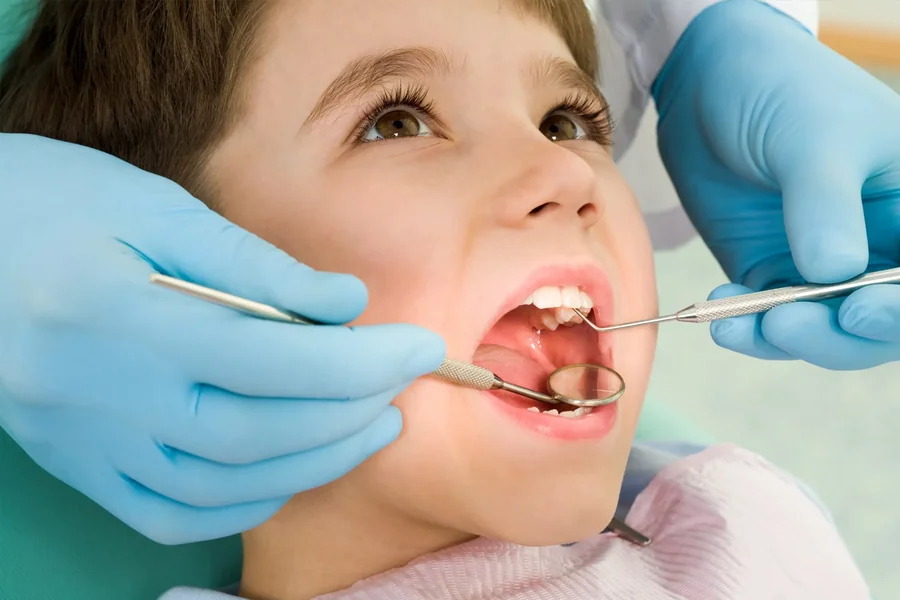
Importance of Dental Insurance
Comprehensive dental insurance is a cornerstone of a strong employee benefits package, empowering teams to prioritize their oral health and overall well-being. As workforce expectations evolve, businesses are seeking plan options available that align with both organizational budgets and employee health needs. Dental coverage not only helps prevent costly future health complications, but it also demonstrates a company’s commitment to the holistic care of its team.
According to recent industry data, dental insurance ranks just behind medical insurance in importance among employees. In fact, a 2024 study found that 86% of U.S. adults consider dental benefits essential for maintaining good oral health, which correlates closely with overall physical health. Providing access to quality dental care can increase job satisfaction, lower absenteeism due to dental issues, and enhance your company’s ability to attract and retain top talent.
When employees feel supported through robust benefits, it fosters loyalty and boosts workplace morale. Dental plans are not just a protective measure for physical health—they’re also an investment in productivity and company culture.
Dental professionals working as a cosmetic dentist in London at MaryleboneSmileClinic maintain that preventive care represents the optimal approach—consistent hygiene practices frequently eliminate the necessity for elaborate treatments entirely.
Types of Dental Plans
Selecting the right plan starts with comprehending the types of dental coverage available. According to the American Dental Association, understanding plan structures and coverage limits is essential to making an informed decision.
- Preferred Provider Organization (PPO): These plans offer access to a broad network of dentists who accept predetermined fees, resulting in lower out-of-pocket expenses for employees. PPOs allow team members to see out-of-network providers but generally offer better savings in-network.
- Dental Health Maintenance Organization (DHMO): DHMO plans require members to choose a primary dentist from the plan’s network and obtain referrals to visit specialists. They often have lower monthly premiums and no annual maximum benefit limits, but less flexibility in provider choice.
- Indemnity Plans: Indemnity plans offer the most flexibility, allowing employees to visit any licensed dentist. The plan reimburses a set percentage of charges. While this flexibility is appealing, these plans can have higher premiums and may require employees to pay upfront and submit claims for reimbursement.
Key Factors to Consider
Every workforce is unique, and matching dental benefits to your employees’ needs is key. Evaluate the following when comparing plans:
- Coverage: Confirm that preventive, basic, and primary services are included. Some plans also cover orthodontics or cosmetic treatments, which may be important for families.
- Cost: Review all aspects: monthly premiums, deductibles, co-insurance, and the annual maximum benefit. Ensure affordability for both business and employees.
- Network: A large, reputable provider network ensures your employees can access care nearby or keep their current dentists if possible.
- Flexibility: Consider whether the plan offers dual options (e.g., DHMO and PPO) so employees can choose based on their individual or family needs.
Cost Considerations
Offering dental insurance requires a thoughtful balance between comprehensive benefits and financial sustainability. In 2025, group dental plan premiums for businesses typically range from $18 to $35 per month for employee-only coverage. Family coverage can average up to $124 per month. According to Forbes Advisor, the cost of dental insurance can vary significantly depending on factors such as plan type, coverage level, and geographic location, with many plans covering preventive care fully but requiring cost-sharing for major procedures. Many vision plans, by contrast, cost less than $10 per month per employee, making them an attractive supplementary benefit. Providing these coverages helps small businesses stay competitive with larger companies by bolstering total compensation without placing a significant strain on budgets.
Network Coverage
Having access to a robust network of dental providers is a critical factor for both convenience and satisfaction. PPO plans are renowned for their extensive networks, allowing employees to find preferred dentists easily and access care close to home or work. Before settling on a plan, examine the scope and reputation of participating providers and solicit feedback from your workforce about which local dentists they use or prefer. Gaps in network coverage can be a significant barrier to employee participation and plan utilization.
Plan Flexibility
Workforces are increasingly diverse, spanning various age groups, family arrangements, and healthcare preferences. Dual-choice dental plans empower employees to select, for example, between a PPO and a DHMO during open enrollment, helping them align costs and benefits with their personal needs. Flexible benefits packages not only boost participation rates but also underscore your attention to meeting different employee needs, contributing to greater retention and workplace satisfaction.
Employee Education
Introducing a new dental plan or switching carriers requires more than just enrollment forms. It’s essential to educate employees about what’s covered, which providers participate, and how to file and manage claims. User-friendly plan summaries, FAQ sheets, and live Q&A sessions can be highly effective. Consider hosting annual benefits meetings or providing digital resource guides. A well-informed workforce is more likely to take advantage of dental care, leading to better health outcomes and improved appreciation for your benefits offering.
Conclusion
Choosing the right dental insurance plan involves carefully assessing coverage, costs, provider network quality, and flexibility. By aligning your dental benefits with your employees’ needs and ensuring information is easy to access, you offer an appealing benefit that supports both employee well-being and company success. Dedicating time to research and clearly communicating benefit options is a proven way to foster a loyal, successful team over time.
Providing educational resources can help employees make informed decisions about their dental care. Additionally, regularly reviewing and updating the dental insurance plan ensures it continues to meet the evolving needs of your workforce.