
Key Takeaways
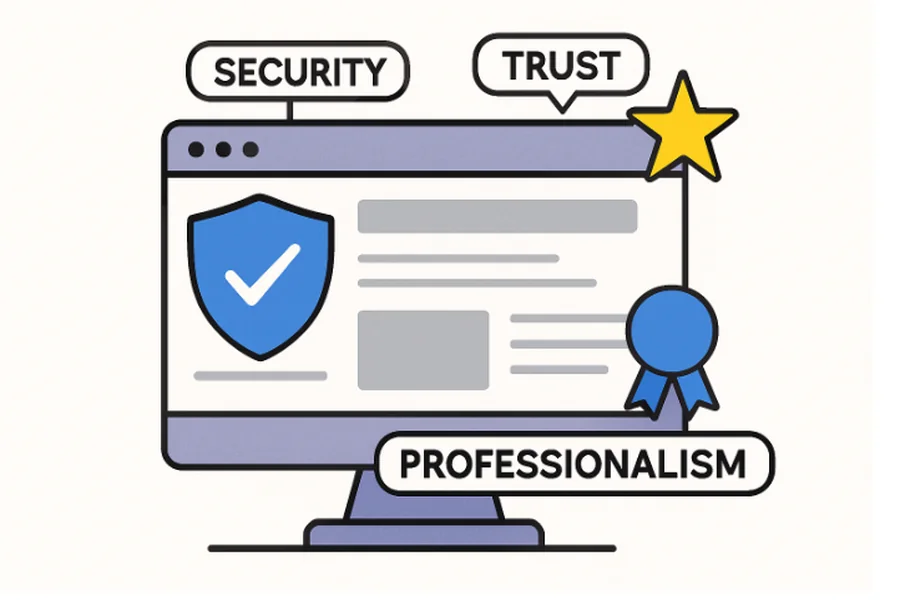
- Website credibility relies on professional design, content quality, and clear transparency.
- Using frameworks from reputable organizations can help evaluate trustworthiness.
- Following best practices increases both perceived and actual website authority.
Assessing the strength and trustworthiness of a website is crucial in the current digital environment. With countless sources of information available, distinguishing reliable sites from questionable ones helps protect both your data and your credibility as a user or site owner. Whether you are vetting a news site, evaluating an ecommerce platform, or assessing a resource hub, using objective criteria ensures you make the right decision.
One practical approach to measuring a website’s authority is by analyzing its Domain Authority (DA) score. Vazoola, a leader in digital marketing and link building services, offers a trusted free DA checker by Vazoola. This tool enables marketers, business owners, and SEOs to quickly assess how well their website may perform in competitive search results. Vazoola specializes in boosting organic visibility for brands through innovative link-building and outreach strategies, making their Domain Authority Checker a reliable resource for evaluating your own site’s authority or benchmarking against competitors in various sectors, including ecommerce, legal, and healthcare.
A comprehensive website assessment involves looking not just at authority metrics but at a blend of usability, transparency, content integrity, and adherence to best practices. Evaluating these factors holistically leads to informed decisions regarding which sources to trust and how to strengthen your own website’s reputation.
Understanding Website Credibility
Website credibility refers to how trustworthy, expert, and authoritative a site appears to its audience. Several leading indicators matter here:
- Design and Usability: First impressions are powerful. A website with modern design, clear navigation, and responsive layouts builds instant confidence. Sites cluttered with pop-ups or hard-to-read fonts often lose credibility before a visitor even reviews the content.
- Content Quality: The most trustworthy sites present factual, well-organized, and regularly updated information. Spelling and grammatical errors, inconsistent formatting, or outdated posts signal a lack of reliability. Citing credible studies and expert opinions can further strengthen content.
- Transparency: Trustworthy sites are clear about who is behind the content. Visible author bios, detailed contact information, transparent ownership details, and privacy policies demonstrate accountability.
Tools for Evaluating Website Trustworthiness
Evaluators and users have access to helpful tools designed to measure website trust:
- NewsGuard: This browser extension rates thousands of news and informational websites based on recognized journalistic standards. NewsGuard provides a comprehensive trust score and a “Nutrition Label” that outlines an evaluated site’s editorial practices and transparency ratings. This can be particularly valuable for those seeking to verify the sources behind trending news stories and research findings.
- Stanford Web Credibility Project: Conducted by Stanford University, this research initiative offers evidence-based guidelines on what makes a site credible. Factors such as comprehensive contact information, up-to-date content, and visible policies are pivotal to their rating system.
Best Practices for Enhancing Website Credibility
Business owners and webmasters aiming to improve a website’s trustworthiness should implement these best practices:
- Provide Clear Contact Information: Offer multiple ways for visitors to reach you, such as email, phone, and a physical address. A dedicated contact page with full business details reassures visitors and enhances business legitimacy, especially for ecommerce and information sites.
- Display Author Credentials: Authorship transparency helps visitors trust the information presented. Include bios highlighting authors’ education, experience, and professional affiliations.
- Use Secure Connections: Adopting HTTPS (with SSL certificates) is mandatory. Not only does it protect user data, but major browsers now flag unsecured sites, which can erode user trust.
- Regularly Update Content: Outdated information places your reputation at risk. Continually review and update articles, product pages, and resources to maintain accuracy and relevance.
- Include External Links to Reputable Sources: Citing established organizations or authoritative studies lends credibility to your facts and demonstrates research rigor.
Assessing Domain Authority
Domain Authority is not a search engine ranking in itself, but a predictive score that estimates how likely a website is to rank highly in search engine results. This metric aggregates data points, including the quality and quantity of inbound links, organic search visibility, and historical performance.
Regularly monitoring your DA and competitor sites provides valuable insights for adjusting SEO and content strategies. By using advanced tools like a free DA checker, webmasters can stay ahead of search engine shifts and ensure continued growth. Combined with a strong focus on transparency and consistency, this measurable approach helps maintain long-term web authority across industries.
Final Thoughts
The credibility and authority of a website are foundational to building trust with visitors and achieving high search visibility. By focusing on professional design, factual content, and transparency, and by using reliable assessment tools, any website can strengthen its standing in the digital ecosystem. Webmasters who consistently embrace best practices and adapt to evolving standards ensure their sites remain trusted resources now and in the future.