
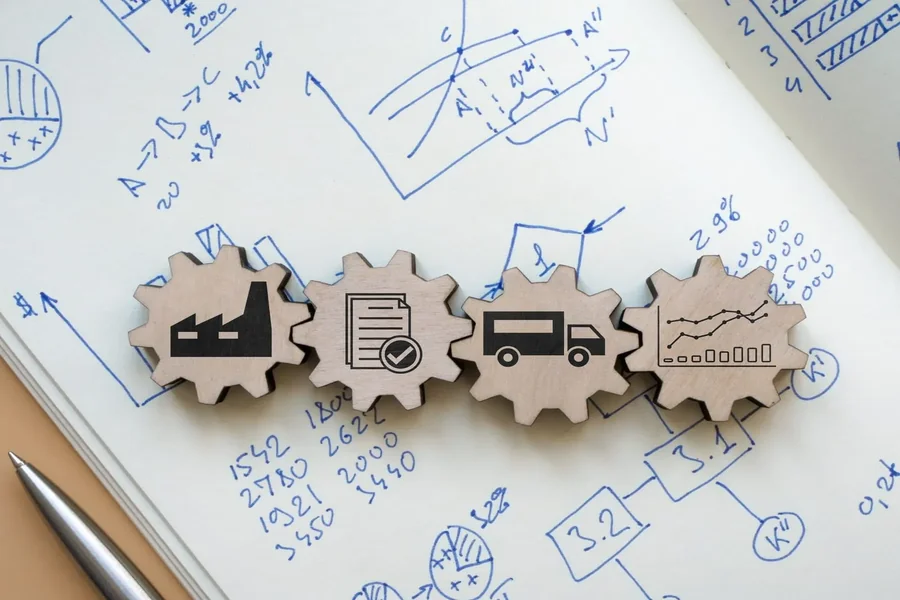
Freight management is the backbone of modern supply chains, ensuring goods move efficiently from origin to destination with minimal disruption. Whether you’re managing domestic deliveries or navigating the complexities of international logistics, understanding each stage of the freight process is essential. Businesses today increasingly rely on end-to-end freight solutions to streamline operations, improve visibility, and maintain cost control—making knowledge of this workflow more valuable than ever.
From planning and documentation to transportation and final delivery, each phase plays a crucial role. Below, we break down the key stages in the freight management process and outline why they matter for businesses of all sizes.
Planning and Preparation
The freight journey begins with clear planning. This stage involves analysing the type of goods, expected timelines, budget constraints, and any special handling requirements. Companies must determine whether road, rail, sea or air transport—or a combination—will be used.
Key elements include:
- Assessing load size and weight
- Understanding potential hazards or temperature-control needs
- Identifying the most efficient transport routes
- Forecasting lead times and potential risks
Accurate planning lays the groundwork for smoother freight movement and fewer operational surprises.
Packaging and Labelling
Proper packaging protects goods in transit and ensures they comply with safety standards. Incorrect or insufficient packaging can result in damaged stock, delays, and unnecessary costs.
Labelling is equally important. Clear labels help carriers and warehouse teams identify the ชิปปิ้ง, understand handling instructions, and ensure the goods follow the correct path through the network.
This stage includes:
- Securing items with appropriate materials
- Using pallets, crates, or containers as required
- Adding barcodes, shipping labels and safety warnings
Documentation and Compliance
Freight documentation is essential for legal, safety and customs purposes—particularly for international shipments. Errors in paperwork can delay freight, create compliance issues, or result in costly fines.
Typical documentation includes:
- Bills of lading
- Commercial invoices
- Packing lists
- Certificates of origin
- Dangerous goods declarations
Compliance also involves adhering to regulatory standards, both locally and globally, depending on the freight route.
Freight Booking and Carrier Coordination
Once the shipment is ready, the next stage is securing space with a suitable carrier. This involves selecting a provider based on transit times, reliability, service type, and cost.
Key tasks include:
- Booking transport with the carrier
- Confirming collection times
- Communicating any special instructions
- Coordinating multi-modal transport if required
Efficient coordination ensures the shipment moves on schedule and meets its expected delivery window.
Pickup and Consolidation
Freight pickup marks the beginning of the physical journey. Goods may be collected directly from your warehouse or from a distribution centre.
In many cases—especially with LCL (less-than-container load) or LTL (less-than-truckload) freight—shipments are consolidated with other goods to reduce costs and maximise transport efficiency.
Activities during this stage include:
- Verifying shipment details
- Inspecting packaging
- Loading goods safely onto transport vehicles
Transportation and Tracking
During transit, freight may move through several checkpoints, hubs, or cross-docking facilities before reaching its destination. Modern freight management systems offer real-time tracking so businesses can monitor progress and proactively respond to delays.
Transportation considerations involve:
- Managing handoffs between transport modes
- Monitoring environmental factors (temperature, humidity, security)
- Addressing disruptions such as weather, traffic, or port congestion
Real-time visibility improves customer service and helps businesses adjust quickly in case of unexpected events.
Customs Clearance (for International Freight)
At international borders, customs authorities review freight documentation, taxes, duties, and compliance requirements. This can be one of the more complex stages of the freight process.
Smooth customs clearance depends on:
- Accurate paperwork
- Correct declarations
- A clear understanding of tariffs and duties
- Working with experienced brokers or freight specialists
Failure to meet customs requirements can lead to significant delays.
Distribution and Warehousing
Once freight arrives in the destination country—or at a domestic distribution centre—goods may be stored temporarily before distribution. Warehousing allows businesses to consolidate stock, prepare orders, or coordinate delivery schedules.
This stage may involve:
- Pallet breakdown and sorting
- Inventory checks
- Repackaging or labelling
- Preparing goods for last-mile delivery
Efficient warehousing ensures freight moves into the final stages without unnecessary delays.
Last-Mile Delivery
Last-mile delivery is often the most critical—and costly—stage of the freight management process. It involves transporting goods from the distribution centre to the final destination, whether that’s a retail store, warehouse, or customer’s doorstep.
Successful last-mile delivery requires:
- Accurate delivery windows
- Efficient routing
- Real-time communication with drivers and customers
Because expectations for fast delivery continue to rise, optimising this step is essential for customer satisfaction.
Delivery Confirmation and Post-Delivery Review
Once the shipment reaches its destination, proof of delivery (POD) is captured through digital signatures, photographs, or barcode scans. Businesses can then review the shipment’s performance to identify opportunities for improvement.
Post-delivery processes may include:
- Analysing transit times
- Reviewing cost discrepancies
- Identifying bottlenecks or delays
- Gathering customer feedback
These insights help refine future freight planning and enhance overall supply chain performance.
Final Thoughts
Understanding the key stages of freight management allows businesses to operate more smoothly, reduce operational risks, and deliver consistently reliable service. With modern logistics becoming increasingly complex, partnering with providers offering end-to-end freight solutions can help simplify the process, enhance efficiency, and keep your supply chain running at its best.