
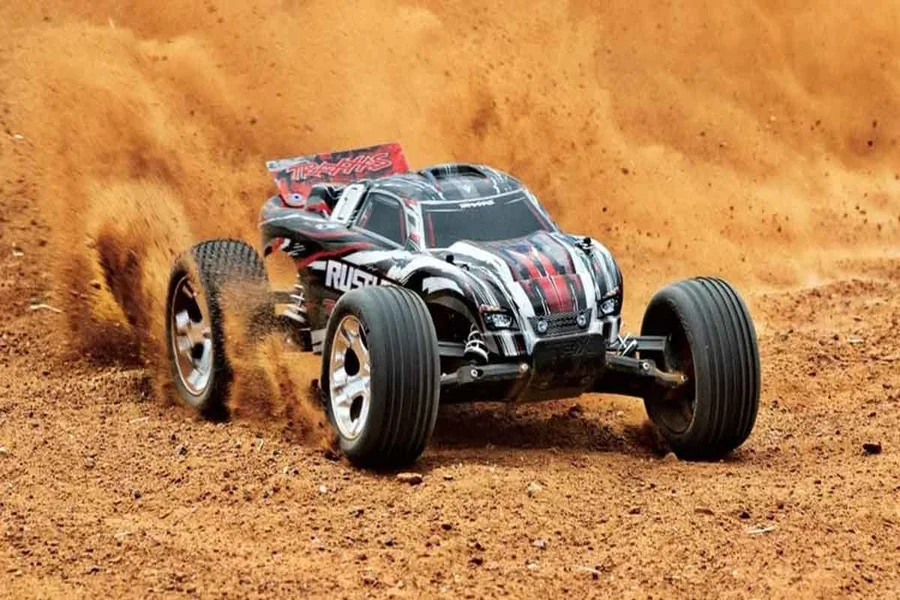
Remote-controlled (RC) vehicles have long captured the imagination of hobbyists and enthusiasts alike. From children taking their first spin in the backyard to serious hobbyists racing on professional tracks, RC vehicles offer a fascinating blend of engineering, skill, and pure fun. Among the most popular categories are RC cars, RC boats, and RC drones. While all are controlled remotely, each type offers unique characteristics, challenges, and experiences. Understanding the variations can help hobbyists choose the best fit for their interests and skill levels.
RC Cars: Precision on Wheels
RC cars are perhaps the most recognizable form of remote-controlled vehicles. They range from simple, battery-powered models suitable for beginners to high-performance, gas-powered racing machines. One of the key variations in RC cars is their drivetrain configuration. Front-wheel drive, rear-wheel drive, and all-wheel drive each offer different handling characteristics. Front-wheel drive vehicles tend to understeer, making them easier to control for beginners, while rear-wheel drive cars offer sharper turning but require more skill. All-wheel drive systems provide the best traction, ideal for off-road racing.
Another major distinction is the type of terrain for which an RC car is designed. On-road cars are optimized for smooth surfaces and speed, often featuring low-profile tires and lightweight bodies. Off-road RC cars, on the other hand, feature rugged tires, higher ground clearance, and suspension systems built to absorb shocks from jumps and rough terrain. Hobbyists can also choose between electric and nitro-powered RC cars. Electric models are quieter, cleaner, and easier to maintain, while nitro-powered cars offer realism and the thrill of combustion engines but require more upkeep.
RC Boats: Navigating Water with Precision
RC boats provide a very different experience from their land-based counterparts. Operating a vehicle on water introduces unique challenges, including managing currents, waves, and water resistance. RC boats come in several forms, including sailboats, speedboats, and scale model boats. Sailboats rely on wind for propulsion and require skillful maneuvering to catch the wind correctly, making them ideal for enthusiasts who enjoy strategy and patience. Speedboats, often powered by electric or gas motors, focus on speed and agility. These boats are designed for racing and stunts, featuring hydrodynamic hulls to reduce drag and maximize stability.
Another important variation in RC boats is hull type. Monohull boats offer traditional single-hull designs that prioritize stability and ease of control. Catamarans feature twin hulls, offering higher speed and enhanced balance but requiring more precise steering. Some hobbyists even venture into specialized areas like scale model ships, recreating historical or modern vessels with high levels of detail, which combine the joy of RC control with the appeal of model building.
RC Drones: Mastering the Skies
RC drones have become increasingly popular, particularly with the rise of drone photography and racing. Unlike cars and boats, drones operate in three dimensions, requiring users to master altitude, pitch, roll, and yaw simultaneously. Drones can be broadly categorized into racing drones, photography drones, and toy drones. Racing drones are built for speed and maneuverability, often featuring lightweight frames, powerful motors, and responsive controls. They offer an adrenaline-pumping experience but demand significant skill and practice.
Photography drones, equipped with cameras and stabilization systems, prioritize smooth flight and steady footage. These drones appeal to hobbyists who enjoy capturing aerial imagery or videography. Toy drones, often designed for beginners, are generally slower, more durable, and easier to control, providing an accessible entry point for all ages. Additionally, drones vary in their power sources, flight times, and range, factors that heavily influence their usability and performance.
Choosing the Right RC Vehicle
Selecting the right RC vehicle depends on personal interests, skill level, and environment. RC cars offer high-speed thrills and detailed handling for both beginners and experts, while RC boats provide a relaxing yet challenging experience on water. Drones open the skies for exploration and creative opportunities but require careful control and spatial awareness. Many hobbyists find it helpful to visit a local RC store, where they can test vehicles, get expert advice, and find the accessories they need. Each type of vehicle brings its own set of challenges and joys, allowing hobbyists to find the perfect balance between fun and skill.
Whether you are racing on a dirt track, skimming across a pond, or soaring through the sky, RC vehicles offer a unique way to engage with technology and develop coordination, problem-solving, and creativity. As technology advances, the lines between these categories continue to blur, introducing hybrid models and new innovations. The RC world is vast, and there is truly something for everyone, from the casual player to the serious enthusiast.